Cookie preferences
Choose which categories you allow. Necessary cookies are always on.
Plasma 101
Who: Eligible donors between 18 and 64 can earn up to $560 a month in NY and up to $770 a month in FL.
What: Plasma is the yellow part of your blood that replenishes naturally.
Where: Queens, Brooklyn, The Bronx (NY), and Ft. Pierce (FL).
Why: Get paid to donate and help treat bleeding disorders, immune deficiencies, and more.
When: No appointment needed—walk in anytime before closing.




What Is a Citrate Reaction? Symptoms & Prevention for New Donors
How Citrate Works During Plasma Donation
Stepping up to donate plasma is a life-saving act of generosity, but for first-time donors, the medical jargon can sometimes feel intimidating. One term you will likely hear among plasma donors is "citrate reaction."
Citrate reactions are not common, and when they do happen, they’re usually mild and short-lived. We mention them so you’re informed, not because we expect them to happen. There’s really nothing to worry about, but knowing what they are and preparing ahead of time can help you feel confident, comfortable, and ready for every donation.
In this article, we’ll walk you through what a citrate reaction is, what symptoms to watch for, and simple steps you can take to help prevent it.
What Is Citrate?
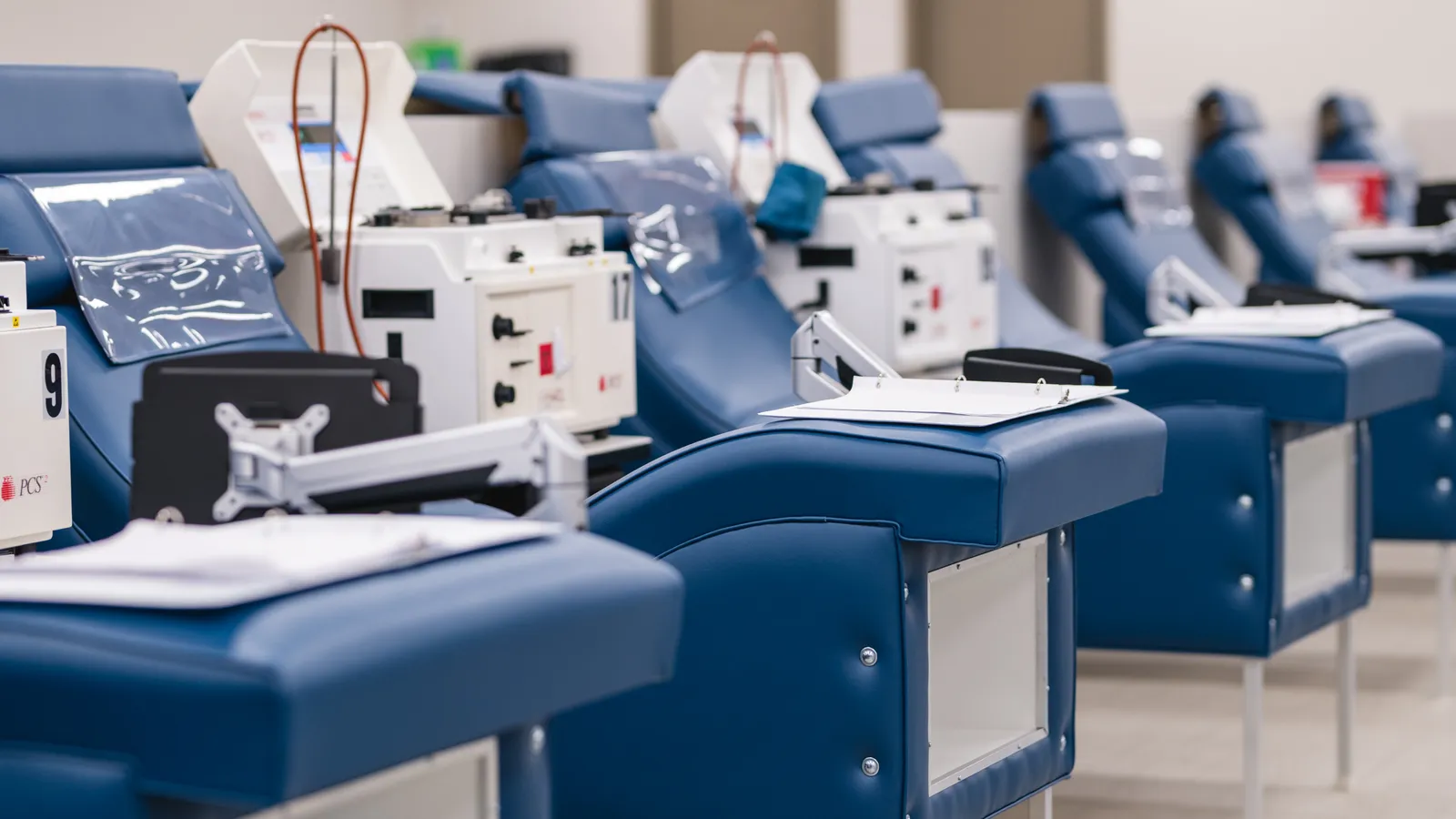
Citrate is a solution used during plasma donation to keep your blood from clotting while it’s outside your body. When you donate, your blood flows into a machine that separates the plasma from the rest of your blood. To make sure everything moves smoothly and safely, citrate is added during this process.
Citrate works by briefly binding to calcium, which your body needs for blood to clot. By lowering calcium levels just enough during the donation, it prevents clotting in the machine. Most of the citrate stays in the plasma that’s collected, and only a small amount goes back into your bloodstream. Your body then processes it quickly, usually without you noticing anything at all.
What Is a Citrate Reaction?
A citrate reaction can happen during plasma donation when the solution (citrate) used to keep your blood from clotting mixes with your bloodstream and temporarily lowers your calcium levels. In simple terms, it means your body is reacting to that solution. When it does happen, it’s usually mild and easily resolved.
Common Symptoms of a Citrate Reaction
Tingling or numbness in the lips, fingers, or toes
Feeling cold or experiencing mild chills
A metallic or unusual taste in the mouth
Lightheadedness or dizziness
Mild muscle twitching or cramping
Feeling slightly shaky or uneasy
Most people break down citrate quickly and don’t feel anything at all. If the symptoms do show up, they’re often related to personal factors like:
Body size and age:
Donors with lower body weight or younger donors may feel symptoms more easily.
How you prepare:
Not drinking enough water or donating on an empty stomach can increase the chances.
Calcium levels:
If your calcium is naturally on the lower side, you may be more sensitive to temporary changes.
At Olgam Life, our staff are trained to spot early signs of a citrate reaction right away, even before you say something feels off. If needed, they can slow the donation or give you something to help bring your levels back up. In most cases, the symptoms fade out almost immediately, and donors are able to continue comfortably.
How to Prevent a Citrate Reaction
To help lower the chance of a citrate reaction and keep your donation experience smooth, a little prep goes a long way.
Start with hydration
Drink plenty of water the day before and the day of your donation. Being well hydrated helps your body handle the donation process more easily and can reduce things like dizziness. Try to skip alcohol and go easy on caffeine beforehand since both can dehydrate you.
Make sure you eat well before you come in
A balanced meal with protein and iron helps keep your energy up and your blood sugar steady. It’s best to avoid very greasy or heavy foods, since they can affect how your plasma is processed.
Improve your calcium intake
Citrate binds to calcium, so consuming calcium-rich supplements or foods like yogurt, cheese, or leafy greens before your appointment may help avoid mild symptoms.
What To Do If You Feel Symptoms During Donation
If anything feels off during your plasma donation, the most important thing you can do is say something right away. Let the staff know as soon as you notice symptoms like tingling in your lips or fingers, feeling chilly, or getting lightheaded. Speaking up early helps them step in quickly and keep things comfortable.
Just remember:
You never have to push through it. Slowing down or pausing the donation is always okay.
Your safety comes first. Olgam staff train to handle situations like this, and your comfort matters more than finishing the donation fast, or finishing at all.
Can You Donate Again If You’ve Had a Citrate Reaction?
Having a citrate reaction does not mean you can’t donate plasma again. In most cases, once your body has had time to recover and your calcium levels are back to normal, you’re good to return.
Many donors never experience another reaction. Sometimes that’s because their body gets used to the process, and other times it’s simply a matter of drinking more fluids or adding a bit more calcium before their visit.
You’re in Good Hands
If you’re donating for the first time, rest assured that citrate reactions are well understood and easy to manage. Plasma donation is a closely monitored process from start to finish, and your safety always comes first at Olgam Life.
When you donate plasma, you’re not only taking care of yourself, you’re also creating lifesaving treatments for people who depend on plasma therapies. Whether you’re visiting our centers in Queens, the Bronx, or Brooklyn for the first time or returning again, we are there to make sure you feel calm, supported, and relaxed.

You might also like...




Become a
life saver