Cookie preferences
Choose which categories you allow. Necessary cookies are always on.
Plasma 101
Who: Eligible donors between 18 and 64 can earn up to $560 a month in NY and up to $770 a month in FL.
What: Plasma is the yellow part of your blood that replenishes naturally.
Where: Queens, Brooklyn, The Bronx (NY), and Ft. Pierce (FL).
Why: Get paid to donate and help treat bleeding disorders, immune deficiencies, and more.
When: No appointment needed—walk in anytime before closing.


How to Prevent & Treat Bruising After Plasma Donation
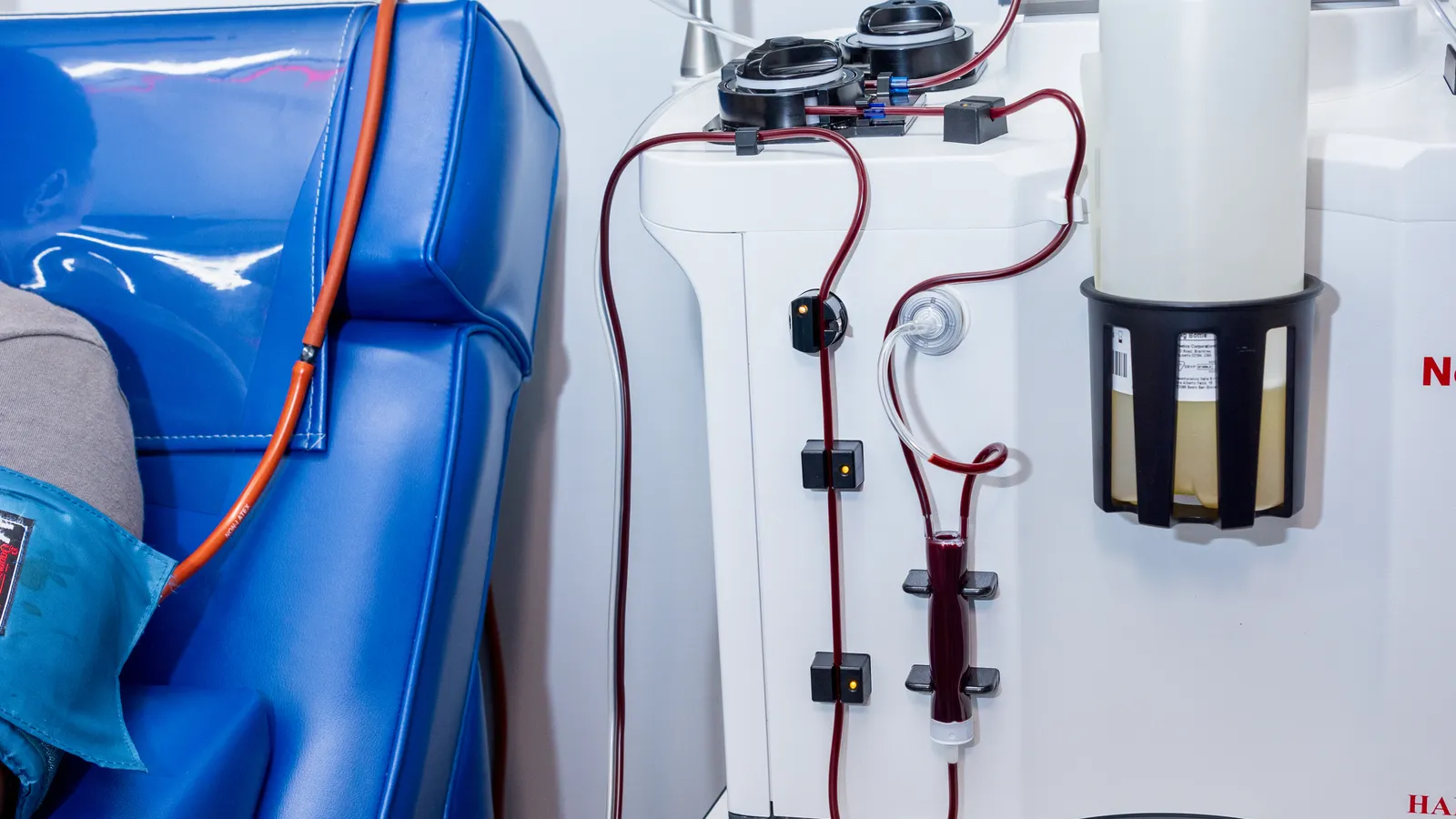
Why Bruises Happen During Plasma Donation and What You Can Do
Seeing a bruise after donating plasma can catch you off guard, especially if it’s your first time. It’s completely normal to feel concerned when your body looks different than you expected. But the good news is that, while bruises can look "dramatic," they are usually harmless and will disappear with time. It does not mean anything went wrong during your donation. The bruise fades on its own as your body heals, with little to no treatment needed.
In this article, we’ll walk through why bruising can happen, how to reduce the chances of it occurring, and what you can do to help your body heal quickly if a bruise does appear.
With a few simple steps before and after your donation, you can feel more confident and comfortable every time you donate.
What Causes Bruising During Plasma Donation
Bruising happens when a small amount of blood escapes from your vein and settles under your skin. While that sounds alarming, it’s usually minor and part of how the body responds to a needle puncture. Even when everything is done correctly, a few common factors can make bruising more likely:
Tiny blood vessels can break
Some vessels sit close to the surface and are impossible to see. When the needle goes in, one of these small vessels may break, even with proper technique.
Movement at the wrong moment
Shifting your arm during needle insertion or removal can cause the needle to brush the vein wall, allowing blood to leak into nearby tissue.
Pressure after the donation is crucial
If steady, firm pressure isn’t held long enough, the vein may not seal completely, which lets blood pool under your skin.
Your body plays a role
Some people naturally bruise more easily due to sensitive skin, fragile veins, or veins that are small or harder to access.
Medications and supplements can contribute
Blood-thinning medications like aspirin or ibuprofen, as well as supplements like fish oil or ginger, can make bruising more noticeable.
The important thing to remember is this: bruising is common, manageable, and temporary. Understanding why it happens is the first step toward preventing it next time.
Who Is More Likely to Bruise
While most plasma donations are smooth, certain donors are more susceptible to bruising:
First-time donors
If you are new to plasma donation, your body hasn’t learned the routine yet. Nerves can tighten your veins without you realizing it, and that tension makes it harder for blood flow to cooperate. When veins don’t behave the way they usually do, bruising becomes more likely.
People whose veins are harder to access
Some veins sit deeper, run smaller, or simply don’t show up clearly on the surface. When a vein takes extra effort to find or keep steady, even small adjustments can irritate the vein wall and allow blood to leak under the skin.
Donors who come in thirsty
Hydration changes everything. When your body is low on fluids, your veins shrink and lose their spring. That makes them less forgiving during needle placement and more vulnerable to bruising afterward.
People who over use their arms after donating
After donation, your body needs time to seal the vein. Lifting boxes, carrying groceries, or hitting the gym too quickly can reopen that seal and cause blood to spread beneath the skin hours later.
Donors who are just naturally prone to bruising
Some bodies bruise more easily than others. Younger donors, people with lower body weight, and many women tend to show bruising faster. Lighter or more sensitive skin can also make bruises look darker or more noticeable, even when healing normally.
How to Prevent Bruising
Before You Donate: Set Your Body Up for Success
Start hydrating early, not last minute. When you drink water and stay hydrated the day before your donation, your veins stay fuller and easier to access. That makes a real difference when the needle goes in and lowers the chance of bruising before it even starts.
Eat with intention, not just convenience. A solid meal with protein and iron a few hours before donating helps your body stay steady. It supports healthy blood flow and gives your veins the strength they need to handle the process comfortably.
Dress for the moment. Loose sleeves that roll well above the elbow allow staff to work without added pressure on your arm. Tight clothing can squeeze the area and make bruising more likely once the needle is placed.
Speak up about your body. If you’ve bruised easily in the past or know your veins are smaller, say so during screening. That small conversation helps staff choose the best arm and approach from the start.
What to Skip Before Your Next Donation
Alcohol and excess caffeine. These fluids dry you out and cause your veins to shrink, which makes the donation harder on your arm than it needs to be.
Unnecessary blood-thinning meds. If it’s safe for you, avoid things like aspirin in the days leading up to your visit since they can make bruises larger and slower to heal.
Heavy, greasy meals. High-fat foods can interfere with the plasma itself and slow down the process, making the experience less smooth overall.
What to Do During Your Donation
Once the needle is in, let your arm rest comfortably and keep it still, even if you feel the urge to adjust or tense up.
A relaxed arm helps everything stay stable. You might feel a brief pinch at the start, but if anything feels sharp, uncomfortable, or just off, say something right away. Speaking up early gives the technician a chance to adjust before a bruise forms. Pay close attention to their cues about when to squeeze and when to rest. Keep your grip slow and steady rather than tight or rushed.
These small, calm actions work together to protect your vein and make the donation smoother from start to finish.
How to Prevent Bruising After Your Donation
After your donation, the next few hours give your body the chance to seal, settle, and heal. As soon as the needle comes out, hold steady pressure on the site and give it the time it needs, even if you feel fine and ready to go. Leave the bandage or cotton on as directed, so the area stays protected while your body does its work.
For the rest of the day, take it easy with that arm and skip heavy lifting, intense workouts, or anything that puts extra strain on the spot. Keep drinking water into the evening to support healthy circulation, and hold off on heat and alcohol for a bit since both can encourage delayed bleeding.
How to Treat a Bruise If One Appears
If a bruise shows up after your donation, take a breath. It’s common, usually harmless, and part of how the body heals. During the first day, use cold packs in short intervals to calm swelling and limit how much blood settles under the skin. Once that initial soreness eases, switch to gentle warmth to help your body clear the bruise more efficiently. Keep the area clean and give it time.
Most bruises change color and fade on their own within days. If pain increases, a hard lump grows, or you notice numbness or tingling, reach out to a medical professional for guidance.
Healing Is Part of the Process
Bruising can happen, and when it does, it’s usually manageable and temporary. Your body showed up to do something generous, and sometimes healing leaves a small, temporary mark behind.
At Olgam Life, our teams are trained to protect your comfort, listen to your concerns, and support you before, during, and after every visit. Whether you’re donating at one of our centers in Queens, Brooklyn or anywhere else, you are never just another appointment. Plasma donation saves lives, and the care you take for yourself along the way matters just as much as the impact you make for others.
If you’ve been thinking about donating, this could be the moment you choose to help, heal, and make a difference.
You might also like...




Become a
life saver