Cookie preferences
Choose which categories you allow. Necessary cookies are always on.
Plasma 101
Who: Eligible donors between 18 and 64 can earn up to $560 a month in NY and up to $770 a month in FL.
What: Plasma is the yellow part of your blood that replenishes naturally.
Where: Queens, Brooklyn, The Bronx (NY), and Ft. Pierce (FL).
Why: Get paid to donate and help treat bleeding disorders, immune deficiencies, and more.
When: No appointment needed—walk in anytime before closing.




Heart Health & Plasma Donation: Why It Matters This American Heart Month
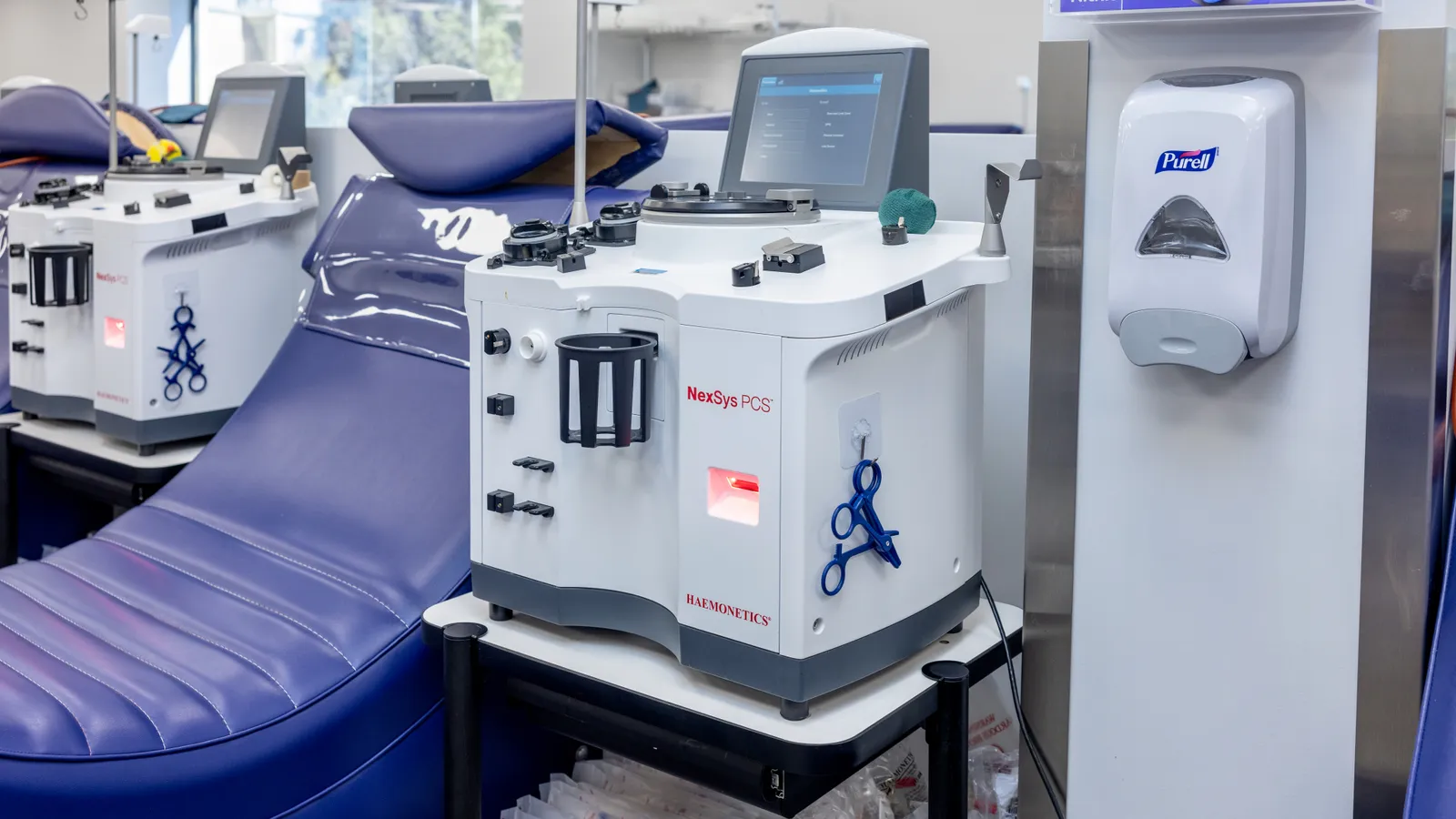
How visiting Olgam Life in NYC supports your cardiovascular wellness
February is American Heart Month, a time to slow down and think about the organ that quietly carries us through every single day. This month is not about fear. It’s about awareness, care, and small, steady choices that support long-term health.
Donating plasma can be part of that picture. Beyond helping patients who rely on life-saving therapies, plasma donation also includes regular wellness checks and encourages healthy habits that support your cardiovascular system. It’s a simple way to give back while staying connected to your own health, too.
Below, you will find out how plasma donation connects to heart health, what the research says, and why it may play a small but meaningful role in supporting your cardiovascular system.
What Is Plasma and Why Is It Important?
Plasma is the liquid part of your blood that carries nutrients, hormones, and vital proteins throughout your body. It keeps everything moving and in balance. When you donate plasma, you’re giving that same life-sustaining support to patients with immune disorders, trauma injuries, and chronic illnesses who rely on it to survive and heal. Your body replenishes the plasma component of your blood within about 24 hours after donation.
Can Donating Plasma Support Heart Health?
Regular Health Screenings
There is something reassuring about knowing someone is checking in on your health regularly. Every time you donate plasma, you’re not just giving. You’re getting a quick snapshot of how your body is doing. At Olgam Life, these screenings are performed by trained medical professionals who carefully review your vital signs before every donation. Your blood pressure is checked. Your pulse is measured. Your temperature and protein levels are reviewed.
These small moments matter. They can catch subtle changes in blood pressure or heart rate before they become bigger concerns. For many donors, this routine creates awareness. You start paying attention to your numbers. You start thinking about hydration, stress, sleep, and how your heart is really doing.
Does Plasma Donation Lower Blood Pressure?
The Short Answer: No, plasma donation is not a medical treatment for high blood pressure (hypertension). However, consistent donation provides valuable monitoring that can help you manage your cardiovascular health.
What the Science Says
While plasma donation is not a cure, some observational studies have noted that frequent donors with elevated blood pressure may experience modest, temporary reductions in their numbers. This is often attributed to the temporary reduction of blood viscosity (thickness) and inflammatory markers during the plasmapheresis process.
Why This Matters for Your Health
At Olgam Life, we view donation as a partnership in wellness. Because we require a vital sign check before every single donation, you gain a frequent, documented history of your blood pressure.
Awareness is Key: Many donors realize they have elevated blood pressure solely because of our pre-donation screenings.
Routine Checks: If your blood pressure exceeds the safe threshold for donation, our medical staff will alert you immediately, allowing you to seek professional care with your primary physician sooner rather than later.
Medical Disclaimer: Plasma donation should never replace prescribed hypertension medication or regular visits to your cardiologist. Always consult your doctor before donating if you have a history of heart conditions.
How Does Plasma Donation Impact Iron Balance?
When you donate plasma, you’re also checking in on your own body. Every visit includes simple but important screenings like blood pressure, heart rate, temperature, and protein levels. Regular monitoring can help catch changes early and keep you more aware of your cardiovascular health.
Unlike whole blood donation, plasma donation does not remove red blood cells, which means it has minimal impact on your iron levels. This is important because it allows many eligible donors to give more frequently without significantly lowering their iron levels.
While some research has explored how reduced iron levels from whole blood donation may influence oxidative stress and vascular health, plasma donation is generally considered gentler on iron balance. That makes it a sustainable option for people who want to give back while maintaining stable iron levels and keeping an eye on important heart-related metrics like blood pressure.
Important Considerations
It’s important to remember that plasma donation is not a replacement for regular medical care or thorough checkups. If you have a heart condition or any underlying health concerns, it’s always best to speak with your doctor first to make sure donating is safe for you. Donating plasma should complement a healthy lifestyle, not replace it. Regular checkups, balanced nutrition, exercise, and following medical guidance remain the foundation of strong cardiovascular health.
How Can You Protect Your Heart This Month?
This American Heart Month, make your heart a priority. Small steps really do add up.
Schedule a routine check-up and know your numbers.
Add more movement to your day, even a short daily walk.
Stay hydrated and fuel your body with balanced meals.
If you’re eligible, consider donating plasma as a way to give back while staying mindful of your health.
Taking care of your heart isn’t just about you. When you stay healthy, you show up stronger for your family, your friends, and your community.
Heart Health is a Long Game
Plasma donation is about showing up for someone you may never meet, while also staying connected to your own health. Heart health is a long-term investment. It’s built through consistent, thoughtful choices over time. Donating plasma can be one small but meaningful part of that journey. And here in New York City, where community runs deep, and neighbors look out for one another, that choice carries even more impact. If you live in Queens, the Bronx, or Brooklyn, consider visiting Olgam Life. When you take care of your heart and give back at the same time, everyone benefits.

You might also like...




Become a
life saver